


OptiLight & OptiLift
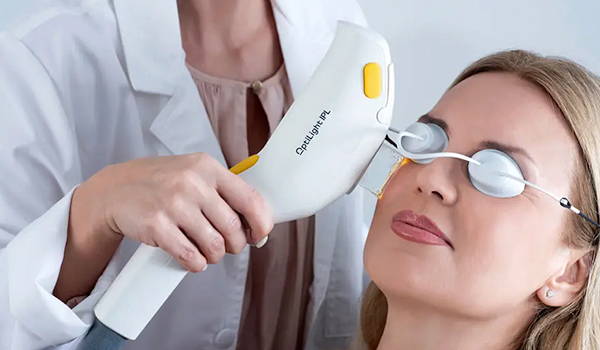
At City Eye Optometry, we offer personalized treatment with OptiLight and OptiLift to address both dry eye symptoms and concerns about the appearance of the eye area. These advanced technologies allow us to target issues like meibomian gland dysfunction, inflammation, lower eyelid laxity, and impaired blinking with a treatment plan tailored to your needs.
What Is OptiLight?
OptiLight by Lumenis is a light-based treatment used to manage dry eye disease associated with meibomian gland dysfunction, also called MGD. It is the first and only IPL device FDA approved for dry eye management due to MGD. The treatment delivers precise pulses of light to the area below the eyes, helping reduce inflammation around the eyelids and improve the function of the meibomian glands, which are responsible for producing the oily layer of tears.
How OptiLight Helps Dry Eye
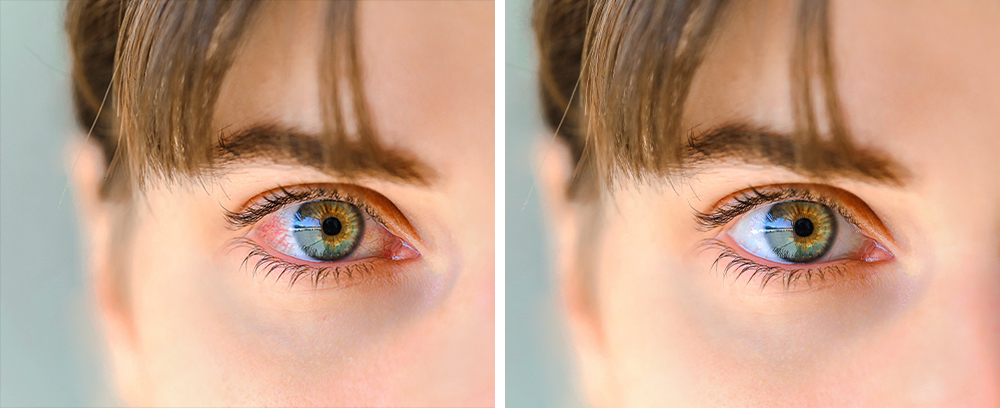
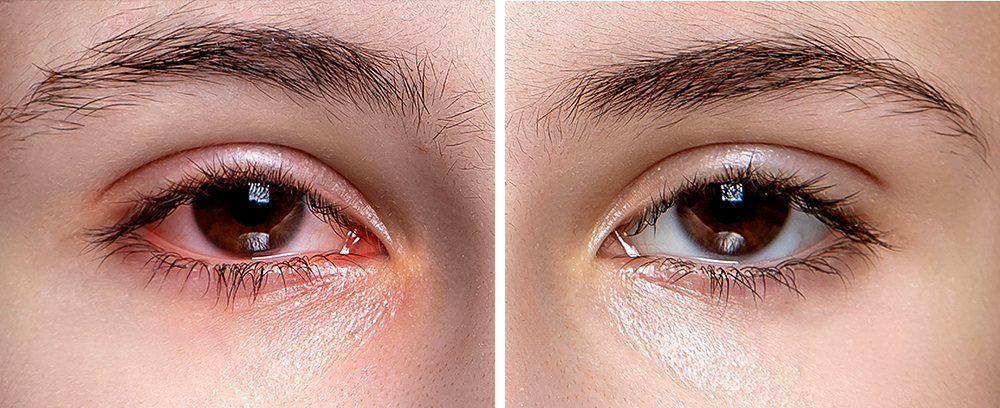
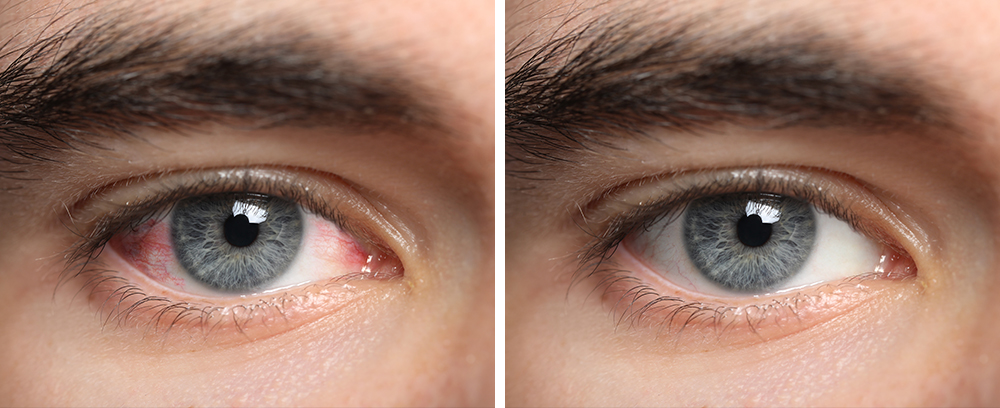
When the meibomian glands are not working properly, tears evaporate too quickly and symptoms like burning, redness, irritation, and fluctuating vision can become more common. OptiLight is designed to target this underlying cause rather than only offering temporary symptom relief. By improving gland function and reducing inflammation, it can help patients experience better comfort and more stable tear quality.
Benefits of IPL for dry eye may include:
Reduced inflammation along the eyelid margins
Improved meibomian gland function
Better tear film stability
Less tear evaporation
Relief from burning, redness, and irritation
More consistent visual comfort throughout the day
What Is OptiLift?
OptiLift is a non-surgical treatment designed to address lower eyelid laxity and support the function and appearance of the periorbital area. It uses Dynamic Muscle Stimulation, or DMSt, to stimulate and tone the muscles around the eyes. Lumenis describes it as a treatment that can improve blink quality, support meibomian gland function, and help tighten the lower eyelid area.
How OptiLift Supports Dry Eye and Aesthetics
Lower eyelid laxity can affect how well the eyes blink and how tears are distributed across the surface of the eye. When blinking is incomplete or less effective, dry eye symptoms may worsen. OptiLift helps support eyelid function while also enhancing the appearance of the lower eye area by improving tone, creating a smoother under-eye contour, and reducing the tired or aged look that can come with laxity in this delicate area. This makes it a valuable option for patients who want a treatment that supports ocular comfort while also addressing aesthetic concerns in a personalized way.
Benefits of OptiLift may include:
Improved lower eyelid tone
Better blink function
Support for healthier tear distribution
Reduced lower eyelid laxity
Smoother under-eye contour
Firmer-looking skin beneath the eyes
Softening of crepey texture in the lower eye area
Less visible under-eye sagging
A more lifted, refreshed appearance
Treatment Tailored to Your Needs
At City Eye Optometry, we personalize treatment based on your symptoms, eyelid anatomy, gland function, and overall goals. For some patients, combining OptiLight and OptiLift can offer a more complete approach by addressing tear film health, eyelid function, and the appearance of the eye area at the same time. Our goal is to recommend the treatment plan that best supports your comfort, eye health, and confidence.
Advanced Care for Dry Eye and Eye Rejuvenation
You may be a candidate for OptiLight or OptiLift if you struggle with dry, irritated, watery, or tired eyes, or have concerns about lower eyelid laxity and the appearance of the under-eye area. At City Eye Optometry, we perform a thorough evaluation to assess your symptoms, eyelid function, tear quality, gland health, cosmetic concerns, and treatment goals before recommending OptiLight, OptiLift, or a combination of both.
To learn more about OptiLight and OptiLift, schedule a consultation at City Eye Optometry and take the next step toward healthier, more refreshed eyes. Contact our office by calling (978) 208-2390 to book an appointment today.



Powered by: 